Airtight envelope
Continuous air sealing against Arizona's heat and dust, not just insulation alone.

Serving North Phoenix, North Scottsdale, Carefree, & Cave Creek
Quality first, then efficiency, then cost.
Beyond beautiful finishes, we focus on the details that make a home exceptional—from how it's built to how it feels to live in. The result is a home that's quieter, more comfortable, more efficient, and built to perform for years to come.
Continuous air sealing against Arizona's heat and dust, not just insulation alone.
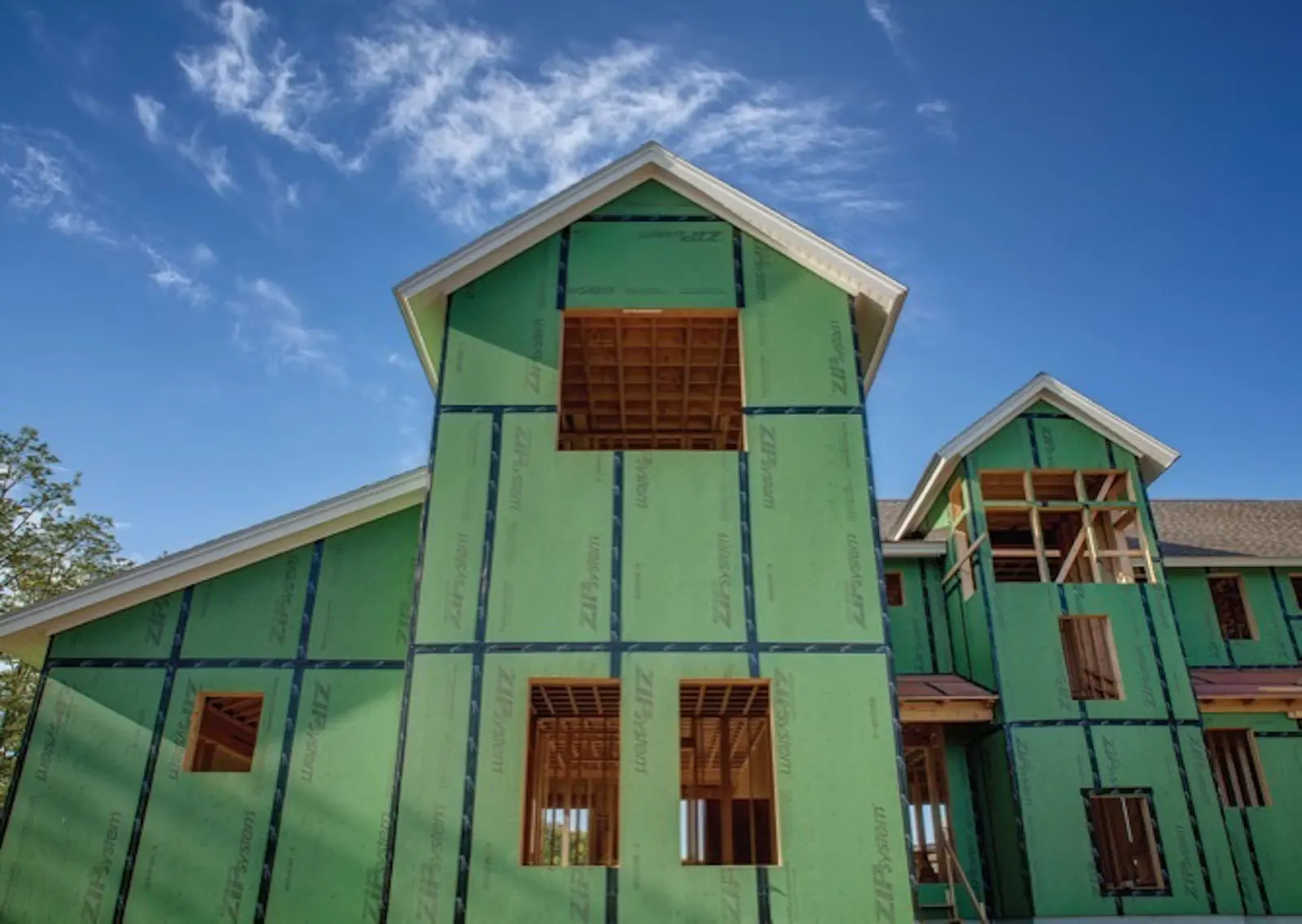
A structural panel with a built-in, taped weather barrier at every seam.
Insulation strategies sized to our climate, not just code minimum.
Oriented and shaded to cut heat gain without giving up the view.
Building science that can cut energy bills meaningfully, not just marginally.
Balanced fresh-air ventilation and high-grade filtration that cut dust, pollen, and fine particles, with monitoring so you can see how it’s performing.
Whole-home filtration plus a reverse-osmosis tap at the kitchen sink, built into the home from the start.
A shut-off valve on the main water line that closes automatically if it detects a leak, protecting the home from flooding.
Straight answers on the building science behind a home that performs better for the life of the house. Our purpose is to build better homes, and this is the standard behind every new home we build in North Phoenix. Have a question we didn't cover? Ask us directly.
Energy efficiency in our climate comes down to controlling heat gain before it ever gets inside: a tight, well-insulated envelope, windows placed and shaded to manage solar exposure, and mechanical systems sized to match the actual load, not guessed at. Get those three right and everything else, from utility bills to comfort, follows.
A high-performance home is designed and built to deliver more than beautiful finishes and thoughtful architecture. It considers how the entire home works together, from insulation and windows to air sealing, ventilation, and HVAC systems. The goal is to create a home that maintains consistent temperatures, uses energy efficiently, improves indoor comfort, and performs well for years to come.
Yes. The building envelope, not the HVAC equipment, is usually the biggest lever: a well-sealed, well-insulated home needs a smaller, less expensive system to begin with, and that system runs less often. Homes built to high-performance standards commonly use substantially less energy for heating and cooling than a comparable code-built home, since every layer of the design is working toward the same goal instead of fighting against a leaky envelope.
Some high-performance features can increase initial construction costs, depending on the home's design, materials, and specifications. However, these decisions should be evaluated in the context of long-term energy use, comfort, durability, and maintenance. We believe it's important to consider the total value of a home, not simply the upfront cost of construction.
Absolutely. High-performance construction and beautiful architecture are not competing priorities. The best results come when performance is considered from the beginning of the design process, allowing building science, architectural details, and material selections to work together. A home can be architecturally distinctive, highly customized, and thoughtfully engineered.
The building envelope separates the conditioned interior of your home from the outdoor environment. By carefully sealing gaps and penetrations throughout the home's structure, we reduce unwanted air leakage, help maintain consistent indoor temperatures, and limit the entry of outdoor dust and pollutants. It's one of the most important foundations of a high-performance home.
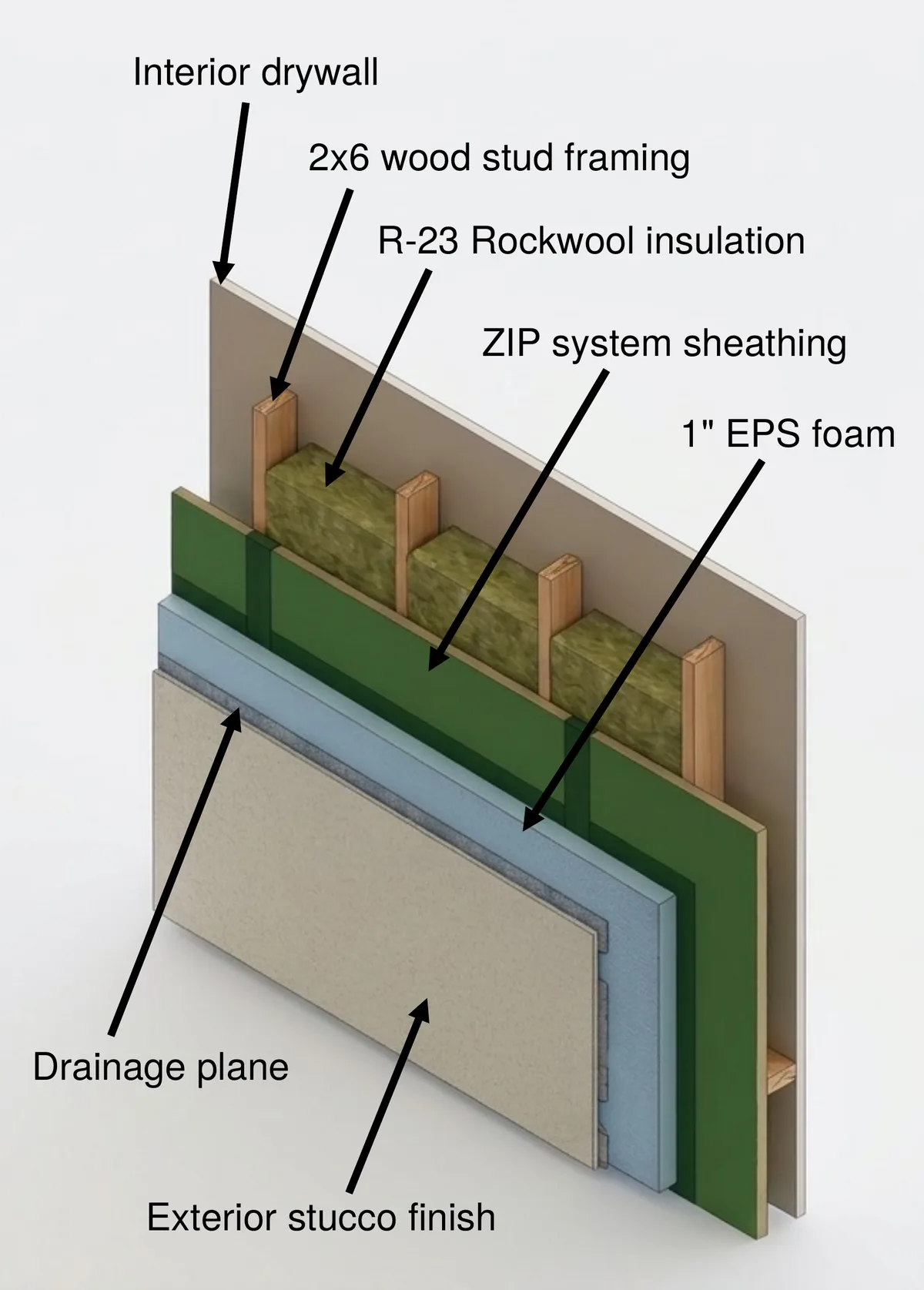
ZIP System is a structural wall and roof sheathing with a built-in weather-resistant barrier bonded to the panel, with the seams sealed using a matched tape. It replaces separate house wrap and reduces the number of seams and staple penetrations where air and moisture can get in, which makes the envelope more consistently airtight than a traditional wrap-and-seam approach.
Air sealing is essential in a desert climate. Hot outdoor air and fine dust readily infiltrate through leaks, raising cooling loads and reducing comfort. A tight building envelope keeps conditioned air inside, blocks dust, improves indoor air quality, and helps HVAC systems run more efficiently—lowering energy costs and delivering more consistent temperatures.
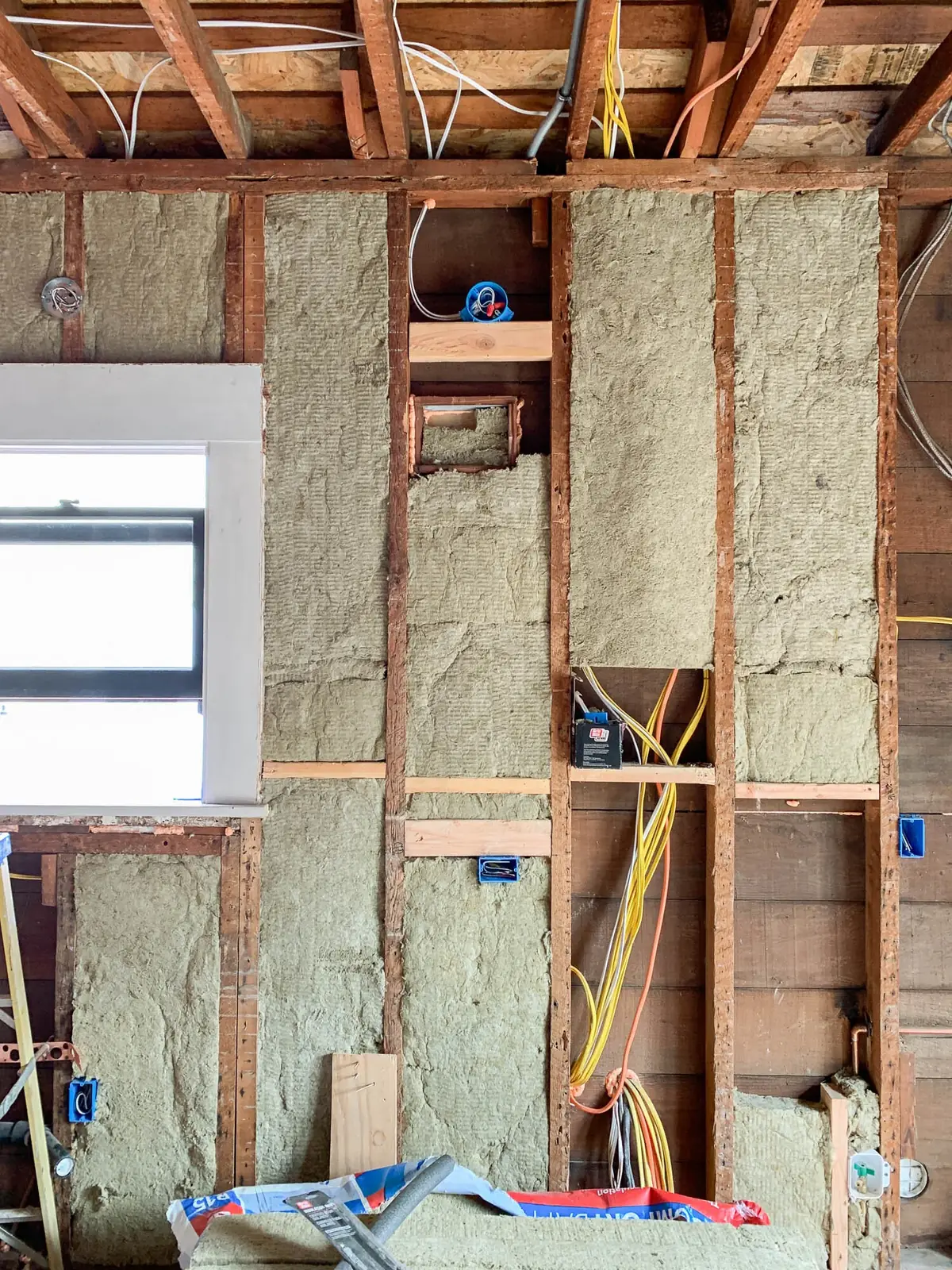
Air sealing comes first. Even the best insulation won't perform well if hot air can leak into the home. We prioritize a tightly sealed building envelope, then use ROCKWOOL mineral wool in our wall cavities for its thermal performance, fire resistance, and moisture resistance. We pair it with continuous exterior EPS insulation to reduce thermal bridging and improve efficiency. We generally prefer this approach over spray foam for a durable, breathable, high-performance building envelope.
We target windows with a Solar Heat Gain Coefficient (SHGC) of 0.18–0.23 and a U-factor of 0.25–0.30 or lower — the combination that matters most in Arizona's climate, blocking roughly 75–80% of solar heat while still managing conductive loss. This is achieved through dual- or triple-pane glazing with solar-control Low-E coatings, argon gas fill, and thermally-broken frames, tuned by orientation so west- and south-facing glass gets the strongest solar control.
Solar orientation considers how the home is positioned in relation to the sun throughout the day and across the seasons. In Phoenix, thoughtful orientation and exterior shading can help minimize intense afternoon sun, particularly on west-facing windows. These design decisions can improve comfort, reduce cooling demands, and make indoor and outdoor spaces more enjoyable.
The right system is whichever one is correctly sized for your home's actual heat load, calculated room by room through a Manual J load calculation — not chosen by square footage alone. An oversized system short-cycles, failing to properly dehumidify or filter air, while a right-sized system runs longer, steadier cycles for better comfort. We pair this with a balanced ERV for controlled fresh air and sealed, tested ductwork to ensure conditioned air reaches every room efficiently.
Indoor air quality is influenced by ventilation, filtration, air sealing, and moisture management. A well-designed home helps limit the uncontrolled entry of outdoor dust and pollutants while providing intentional fresh-air ventilation and effective filtration. This creates a more controlled and comfortable indoor environment.
Passive House is a rigorous international building standard built around an airtight envelope, high-performance windows, continuous insulation, and balanced mechanical ventilation that brings in fresh air without losing conditioned energy. Certification requires energy modeling, third-party blower door testing, and verified documentation before sign-off. We don't build to full certification on every project, but we apply its core principles — especially air sealing and envelope performance — because they make a measurable difference in Arizona's climate.
A high-performance home uses layers of filtration and ventilation to maintain healthier indoor air.
A deep 4–5 inch media filter (typically MERV 13 or higher) captures airborne particles as air circulates through the HVAC system. A balanced ERV continuously brings in filtered outdoor air while exhausting stale indoor air.
Every home also includes air quality monitoring that tracks PM2.5, CO2, temperature, and humidity, giving homeowners visibility into their indoor environment.
Dedicated HEPA filtration (enhanced removal of fine airborne particles) and activated carbon filtration (to help with odors) can be added to any home. Smaller homes, under 2,500 SF for example, may not need them, and an air quality test shows whether they’re worthwhile. We can prep the mechanical room during construction so either one is easy to add down the line.
Combined with a carefully sealed building envelope, these measures help limit what enters the home and keep indoor air cleaner.
It depends on the source. Municipal water typically carries chlorine or chloramine, sediment, and mineral hardness. Many of the outlying areas we build in — Cave Creek, Carefree, New River — are on private wells, where naturally occurring arsenic and other contaminants are a real concern worth testing for before settling on a filtration plan.
Standard. Every home we build gets sediment filtration, carbon filtration, and a water softener for the whole house, plus a point-of-use reverse-osmosis system at the kitchen sink for drinking and cooking water. Homes on well water get additional treatment specified for whatever that well's water test turns up, arsenic included.
Both. The whole-house sediment filter and softener protect pipes, fixtures, and appliances from scale and buildup over the life of the home, while the point-of-use RO system gives you the cleanest water right where you drink and cook with it.
Yes — especially worthwhile on well-water lots, since what's in the water varies site to site. We can help coordinate testing before finalizing the filtration plan for your build.
We reply within one business day. Prefer to talk? Call or text 602-573-6060.
Email: zak@22construction.com