Measured on site
We measure at the walk-through, so there are no guesses on square footage.

Serving North Phoenix, North Scottsdale, Carefree, & Cave Creek
Quality first, then efficiency, then cost.
Tile, hardwood and more, measured on site so your quote matches your actual square footage.
We measure at the walk-through, so there are no guesses on square footage.
Old flooring removal and subfloor prep are priced in the estimate.
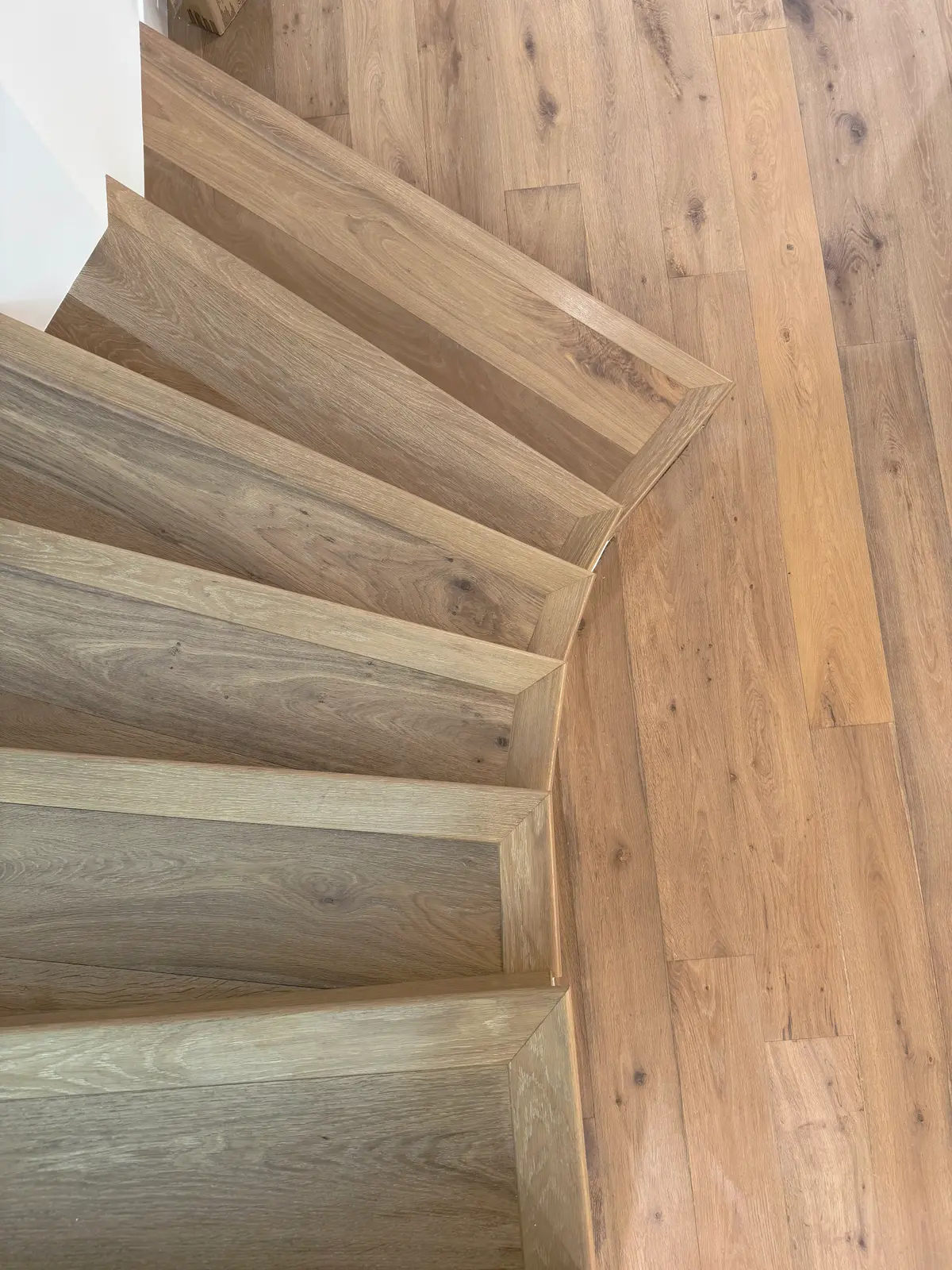
Transitions, baseboards and trim handled so the job looks complete.
Start small or do every room, with the same clear pricing.
Straight answers from our own projects in North Phoenix, covering planning, cost, materials, and care. Have a question we didn't cover? Ask us directly.
We measure your space at the walk-through, then price materials, removal, prep, and installation in one written estimate.
Yes. Flooring is often paired with remodels or additions, which saves you coordinating a second contractor.
A single room typically takes 1 to 2 days. A full home runs anywhere from a week to about two weeks, depending on square footage, the material, and how much removal and subfloor prep is needed. Then molding needs to be installed and painted.
A realistic all-in flooring cost in the Valley depends on the material and the scope of the project. Our typical pricing ranges are:
These are all-in project prices that include demolition and removal of existing flooring, installation, molding, and paint touch-ups—not just the cost of materials and labor to install the new floor.
One thing worth keeping in mind is that many flooring installers only handle the flooring itself, leaving you to hire a separate carpenter for trim work and a painter for finishing. That can make an initially lower quote much more expensive by the time everything is complete.
We prefer to give you a realistic, complete number upfront. After measuring your space and reviewing the project details, we can provide an exact quote with no guesswork.
Either works, and it comes down to budget and how much disruption you want at once. Replacing room by room spreads out the cost and keeps most of the house livable during each phase. Doing it all at once usually costs less overall and gets you a consistent look sooner. We can plan either approach with you.
Often yes, especially for a single room or when we're working in phases. A whole-home flooring replacement means some rooms will be closed off at a time, and tile work involves a cure period before you can walk on it. We'll plan the sequence with you so you know what's accessible each day.
We ask that homeowners remove small items, personal belongings, and valuables from the work areas before installation begins. For smaller projects, such as replacing flooring in a single room, we can often help move the furniture as part of the process. For larger projects involving multiple rooms or the entire home, we can coordinate with a professional moving company to help handle the furniture. We'll discuss the best approach during the planning phase so everyone knows what to expect before work begins.
We don't offer in-house financing. Many clients pay through a home equity line, a cash-out refinance, or a personal loan through their own bank or credit union. We'd recommend comparing a few options and talking to your lender about what fits your situation before committing to a scope.
| Material | What to know |
|---|---|
| Tile | Extremely durable, fully waterproof and built to last decades, the standard for bathrooms, entries, and outdoor-adjacent spaces. Cold and hard underfoot unless paired with radiant heat. |
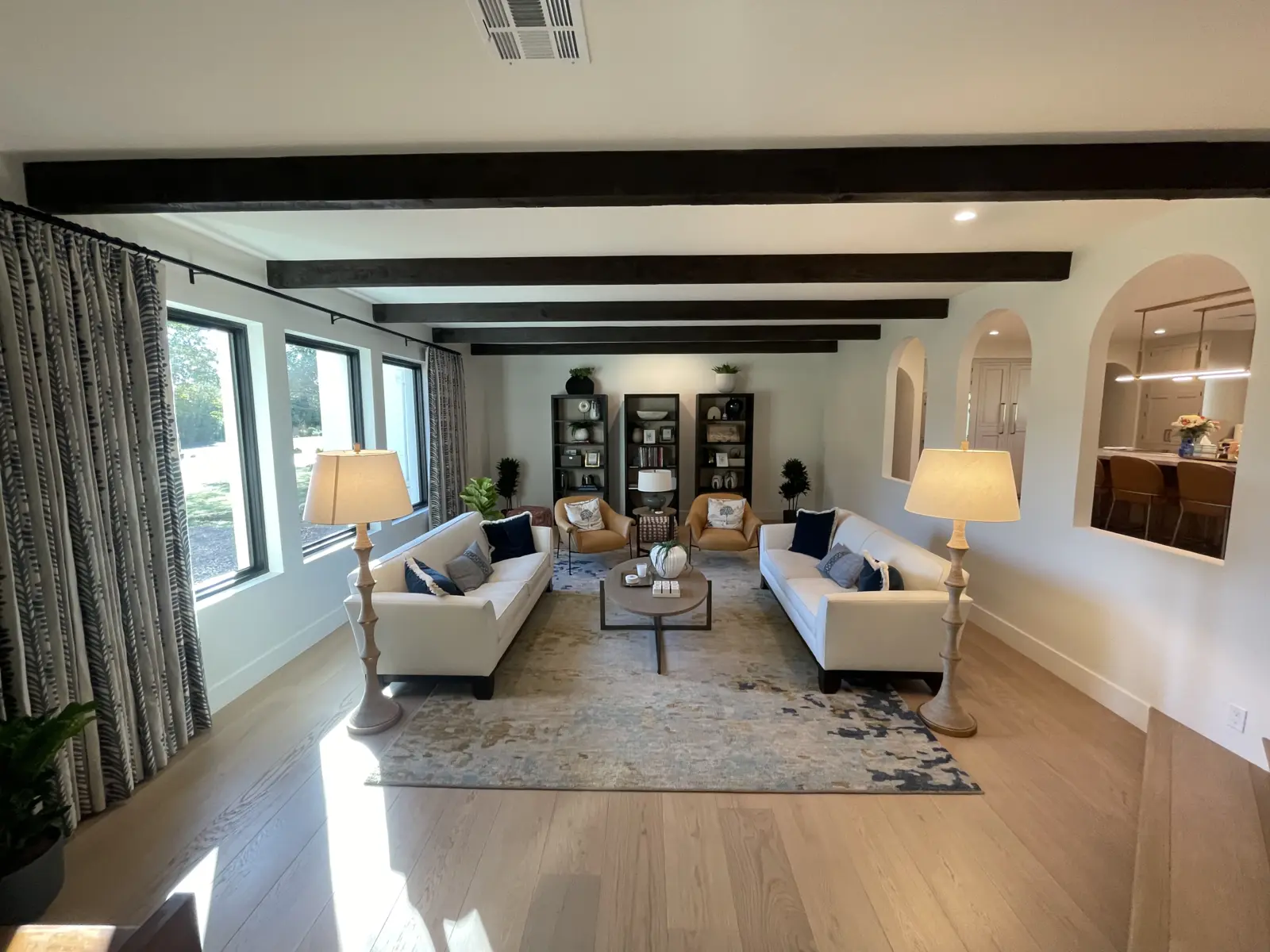
| Hardwood | A classic, high-end look that adds resale value and can be refinished for generations instead of replaced. More sensitive to humidity swings and direct sun than tile, so we typically recommend engineered hardwood in our climate. |
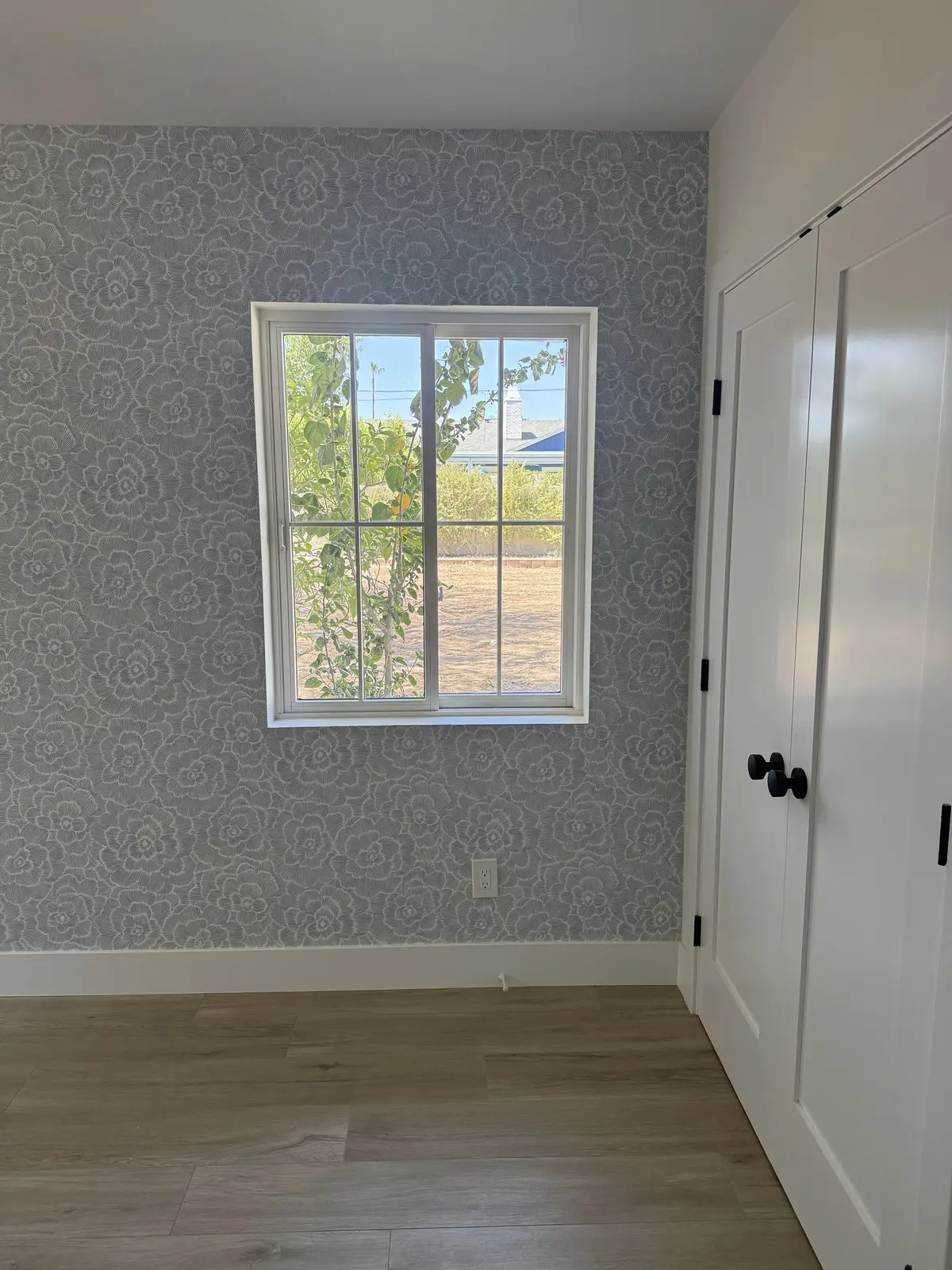
| Luxury vinyl plank (LVP) | Waterproof and budget-conscious, but installed as a floating floor over an underlayment rather than fixed to the subfloor, which gives it a softer, more flexible feel underfoot than tile or hardwood. |
| Laminate | A budget-friendly wood look. Not waterproof, so it's a better fit for bedrooms and living areas than kitchens or bathrooms. |
Tile and hardwood are the two materials we recommend most for a lasting, high-quality result: tile for durability and water resistance, hardwood for long-term value and the ability to refinish rather than replace. LVP is worth considering when budget is the main driver and you want something waterproof, but it won't give you the solid, grounded feel of tile or hardwood. Laminate is a fit only when budget is the main driver and the room stays dry.
Yes. Luxury vinyl plank (LVP) is an excellent flooring option for Arizona homes. It handles temperature fluctuations and dry conditions well, is waterproof, and offers good resistance to everyday wear and tear. It's also a popular choice for homeowners looking for the appearance of hardwood without some of the maintenance concerns. It's the flooring material we install most often throughout North Phoenix.
One thing to understand about LVP is that it's typically installed as a floating floor, meaning it isn't directly adhered to the concrete or subfloor. Because of this, it can have a slightly softer or more flexible feel underfoot compared to tile or hardwood. Some homeowners notice this difference, particularly if they're accustomed to the solid feel of tile.
Tile is one of the most durable flooring options for busy households with pets. It's highly resistant to scratches, holds up exceptionally well to daily foot traffic, and is easy to clean and maintain. While tile is difficult to scratch, it can chip or crack if a heavy object is dropped on it. Overall, tile is an excellent long-term choice for families looking for flooring that can stand up to everyday wear and tear from kids, pets, and busy household activity.
Yes, but it needs the right conditions. Arizona's dry air and strong sun through windows can cause hardwood to shrink, gap or fade over time, so we recommend engineered hardwood over solid in most homes here, keep it away from rooms with heavy direct sunlight, and talk through acclimation time before installation.
Solid hardwood is made from a single piece of wood throughout its entire thickness. It's the traditional hardwood flooring option and can be sanded and refinished multiple times over its lifespan.
Engineered hardwood has a real hardwood veneer on top of a layered plywood core. This construction makes it more dimensionally stable and better suited to handle changes in temperature and humidity, making it a great option for Arizona homes. However, depending on the thickness of the hardwood veneer, it can only be refinished a limited number of times.
Both options offer the natural beauty of real wood, but engineered hardwood is typically several dollars less per square foot than solid hardwood. It often provides a great balance of appearance, stability, and cost, which makes it our preferred recommendation for many homeowners.
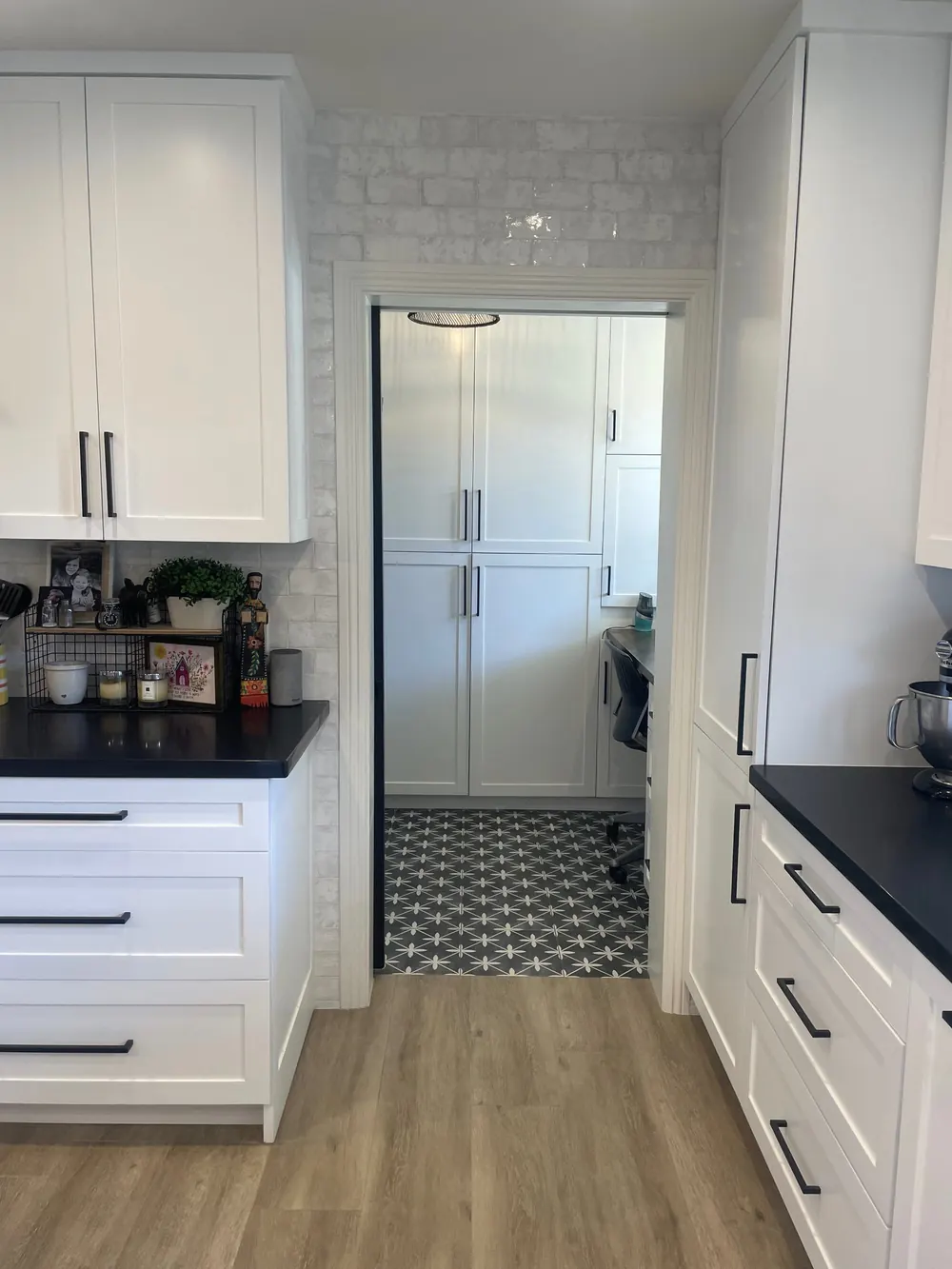
Tile is one of the best flooring choices for kitchens and bathrooms because of its excellent water resistance, durability, and ease of maintenance. It's a traditional choice for bathroom floors and shower walls, and it works equally well in kitchens where spills and moisture are part of everyday life. With a wide variety of styles, colors, and sizes available, tile offers plenty of design flexibility while providing a durable, long-lasting surface.
We check the subfloor for level, moisture and any damage, then patch, level or replace sections as needed before installation. Skipping this step is the most common cause of a new floor that squeaks, cracks or fails early.
We generally do not recommend installing new flooring over existing flooring. Our preference is to remove the existing material and start with a clean slate. This allows us to properly inspect and prepare the subfloor, address any underlying issues, and ensure the new flooring is installed on a solid, suitable surface. We believe this approach provides the best foundation for a quality installation and long-term performance.
We use transition strips or trim pieces sized to the height difference between materials, placed at doorways or natural breaks in the layout so the change reads as intentional rather than patched together.
LVP and laminate are typically ready for light foot traffic within hours. Tile needs the grout and thinset to cure, usually 24 to 72 hours before normal use. Hardwood finished on site needs the longest cure time, which we'll walk you through based on the specific product.
Regular sweeping and a damp mop with a pH-neutral cleaner is all it needs. No sealing, waxing, or special treatment required, which is part of why it's such a low-maintenance choice.
Sweep or vacuum regularly and mop with a tile-safe cleaner. Grout should be sealed periodically, especially in high-traffic or wet areas, to keep it resisting stains.
Yes, for LVP, laminate, and hardwood. These materials expand and contract slightly with temperature and humidity, and a small gap at the walls and transitions prevents buckling over time. We account for this during installation.
Tile is the best match for radiant heat since it conducts and holds warmth well. Engineered hardwood can work with the right system and installation method. LVP and laminate are generally not recommended with radiant heat due to temperature limits on the material.
LVP typically lasts 15 to 25 years, tile can easily last decades with proper care, and hardwood can last generations if it's maintained and refinished periodically. Quality installation matters as much as the material itself for hitting these numbers.
Hardwood is generally at the top of the list when it comes to flooring that appeals to homebuyers, followed closely by tile. Updating the flooring throughout the main living areas can make a noticeable difference in the overall appearance and appeal of your home. We also recommend keeping flooring consistent from room to room whenever possible. A cohesive look tends to feel more spacious, intentional, and appealing to potential buyers than a patchwork of different flooring materials.
We reply within one business day. Prefer to talk? Call or text 602-573-6060.
Email: zak@22construction.com